

In recent years the history of capitalism has generated excitement both within and beyond the academy, including front-page coverage of the emerging subdiscipline in the New York Times. Very little of this attention, however, has drawn connections to the work of environmental historians. The Histories of Capitalism and the Environment series addresses this significant gap by bringing capitalism back to ground. It highlights the environmental transformations wrought by capitalist enterprises in the modern era and also expose the ways in which nature shaped capitalism’s contours. Taking inspiration from field-defining books like Richard White’s Railroaded: The Transcontinentals and the Making of Modern America, the series unites two of history’s most vibrant subfields. Its subject matter range from how nature was implicated in the ideological origins of capitalism to studies of capitalism at the scale of human bodies.
Unrestricted by borders, technology, or discipline, the Energy and Society book series seeks to provide a space for the unfettered expansion of the discourse on the human relationship with energy: from the processes of developing fuels to the policies governing them; from the consumers who require energy to the governments that administer and seek it; and from the very way we define the idea of energy to promising frontiers of the future. Books in the series may be organized as specific case studies; however, they will each strive to confront larger issues and concepts in the complex, ongoing relationship between energy and society.
Feeding off the development of the environmental humanities and the recognition of the Anthropocene epoch in Earth’s history, the editor and editorial board seek book-length manuscripts that cross national borders as well as boundaries of our understanding of energy in human life. These manuscripts can include more traditional histories of business, politics, policy, environment, labor, technology, diplomacy, and culture, but the series editorial team also encourages submission of work engaged with philosophy, the arts, and the social sciences.
Series Editor:
Bart Elmore is professor of history at Ohio State University and the author of Seed Money: Monsanto’s Past and Our Food Future, Country Coke: How Corporations from the American South Remade Our Economy and the Planet, and Citizen Coke: The Making of Coca-Cola Capitalism. He is a contributor to the Huffington Post, Salon, and Fortune. Learn more at bartelmore.com.
Editorial Advisory Board:
James R. Allison III, Christopher Newport University
Thomas D. Finger, Northern Arizona University
Stephen Macekura, Indiana University
Emily Pawley, Dickinson College
Christine Rosen, University of California, Berkeley
For more information:
Authors interested in submitting proposals for consideration should contact series editor Bart Elmore at Elmore.83@osu.edu or Marguerite Avery at marguerite.avery@mail.wvu.edu.
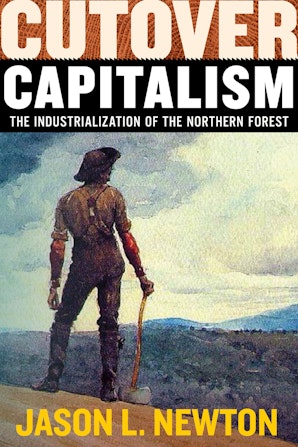

Jason L. Newton
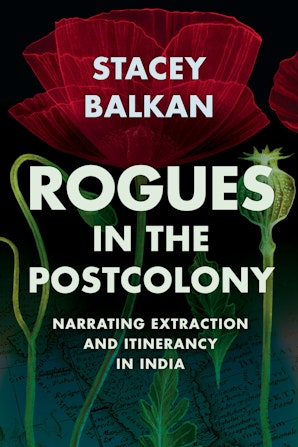
Stacey Balkan